RainLily and ACSVAW: Reframing strategy through a strengths-based process

RainLily and The Association Concerning Sexual Violence Against Women (ACSVAW) wanted to take a step back and think carefully about what came next. We spoke with Doris Chong about working with Crateva on a strategic planning process that was rooted in reflection, participation and the organisation’s existing strengths.
"Rather than coming in with a fixed formula, Judy and Phoebe took the time to understand who we are and what would actually make sense for our organisation."
- Doris Chong, Executive Director
To start with, could you introduce RainLily and The Association Concerning Sexual Violence Against Women?
Doris: RainLily and The Association Concerning Sexual Violence Against Women have spent nearly three decades supporting women who have experienced sexual violence and advocating on these issues.
What was happening in the organisation when you decided to work with Crateva?
Doris: Over the past year, we were at a point where it felt important to step back and do some deeper strategic thinking. We wanted to look beyond immediate priorities and ask some bigger questions about who we are as an organisation, what we need and how we want to move forward.
That was what led us to Crateva. Judy and Phoebe both have a lot of experience working with NGOs, especially small and medium-sized ones. They understand the pressures organisations like ours face, but they do not come in assuming they already know the answers. They take time to understand the people, the culture and the context first.
That was important for us, because our organisational culture places a lot of value on humanity and on recognising that each organisation has its own way of working. We felt that they understood that from the beginning.
What did the process actually look like?
Doris: One of the things Judy and Phoebe introduced was a Feminist Appreciative Inquiry approach. Put simply, it starts from strengths, possibilities and what is already there to build on, instead of starting with problems or gaps. That is quite different from a more conventional planning tool which often begins by identifying weaknesses and risks.
That difference in starting point really shaped the tone of the process. It helped create a more open and constructive conversation, and encouraged people to think about what already existed within the organisation, not just what was lacking.
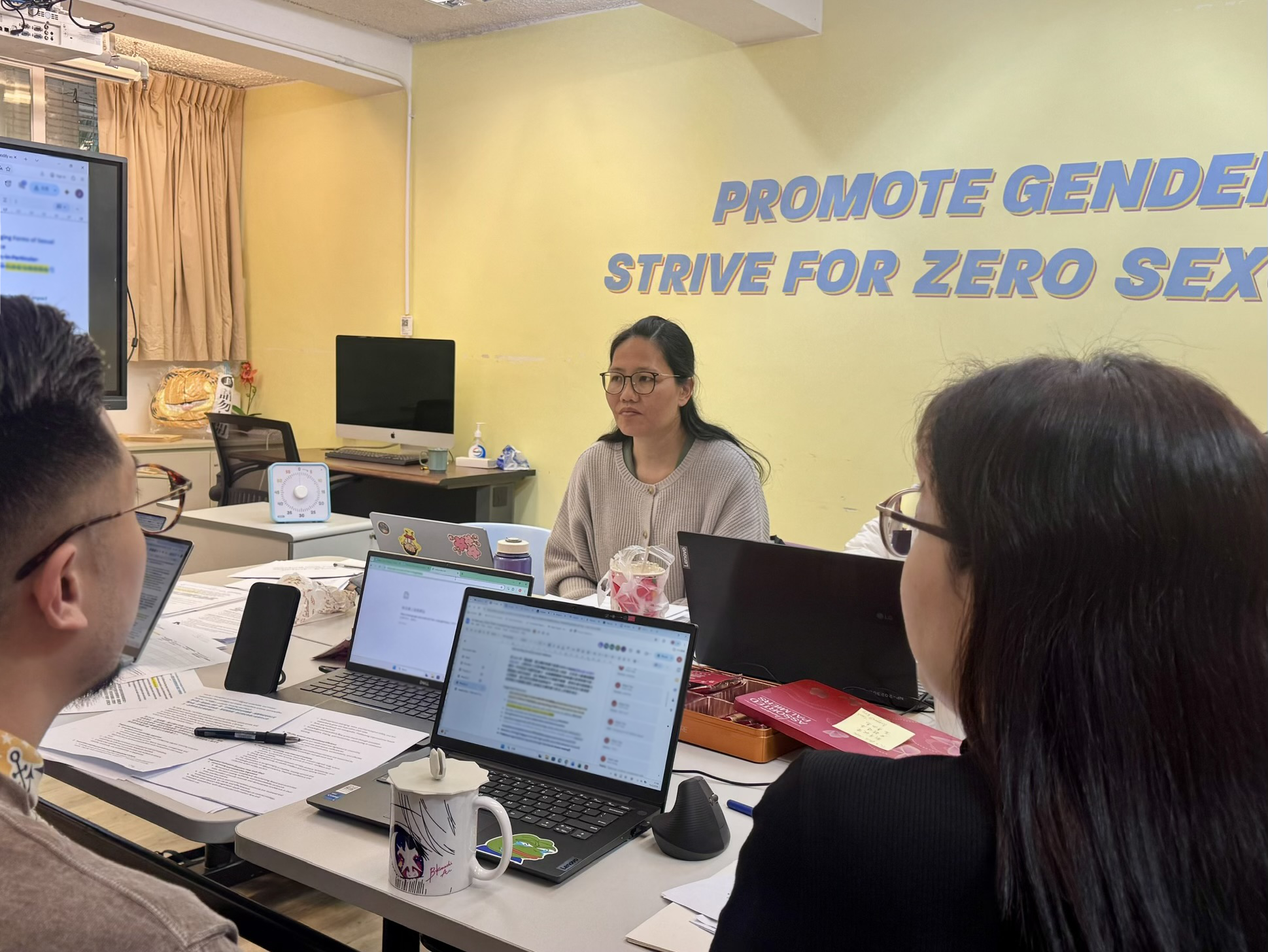
Another important part of the process was that Judy and Phoebe helped us see that strategic planning should not just sit with the board or senior management. If the plan was going to be meaningful and workable, it needed to involve staff across the organisation, as well as other stakeholders. That wider involvement made a real difference, because it grounded the process in the experience of the organisation as a whole, rather than just a few people at the top.
What I appreciated was that they did not simply come in, give advice and leave. They stayed with us through the process, helped shape the discussions and kept bringing us back to the importance of communication and stakeholder involvement if the plan was actually going to work.
What came out of that work?
Doris: What came out of it was more than a strategic plan. The process itself helped strengthen relationships across the organisation and build confidence within the team.
It also gave us a stronger basis for thinking about the next phase of our work. Because the process was collaborative, there was more shared understanding of where we were heading and what it would take to get there.
Looking back, what stays with you most from the experience?
Doris: What stays with me most is that Judy and Phoebe brought a clear process, but they were never rigid about it. They listened closely, adjusted when needed, and responded to what was actually happening in the organisation.
Strategic planning can sometimes feel technical or distant from day-to-day work. What made this process different was that it stayed connected to our values, our relationships and the realities of the organisation.
Stories grow stronger when shared
If Crateva’s stories speak to your experience, let’s continue the conversation.